Bhutanese Culture
National dress, traditional arts, archery, festivals and a strong sense of identity: how Bhutan keeps its culture alive.
Overview
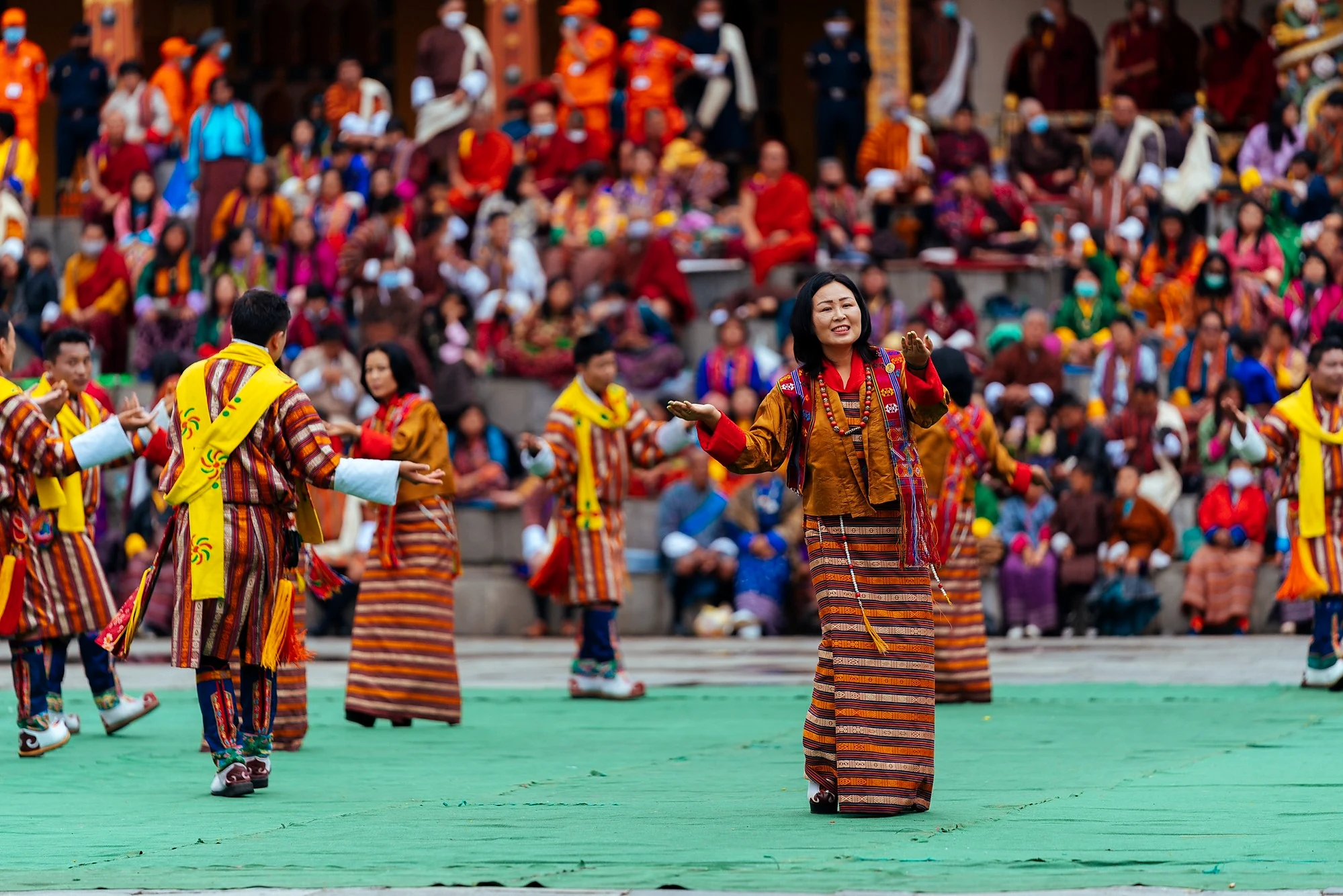
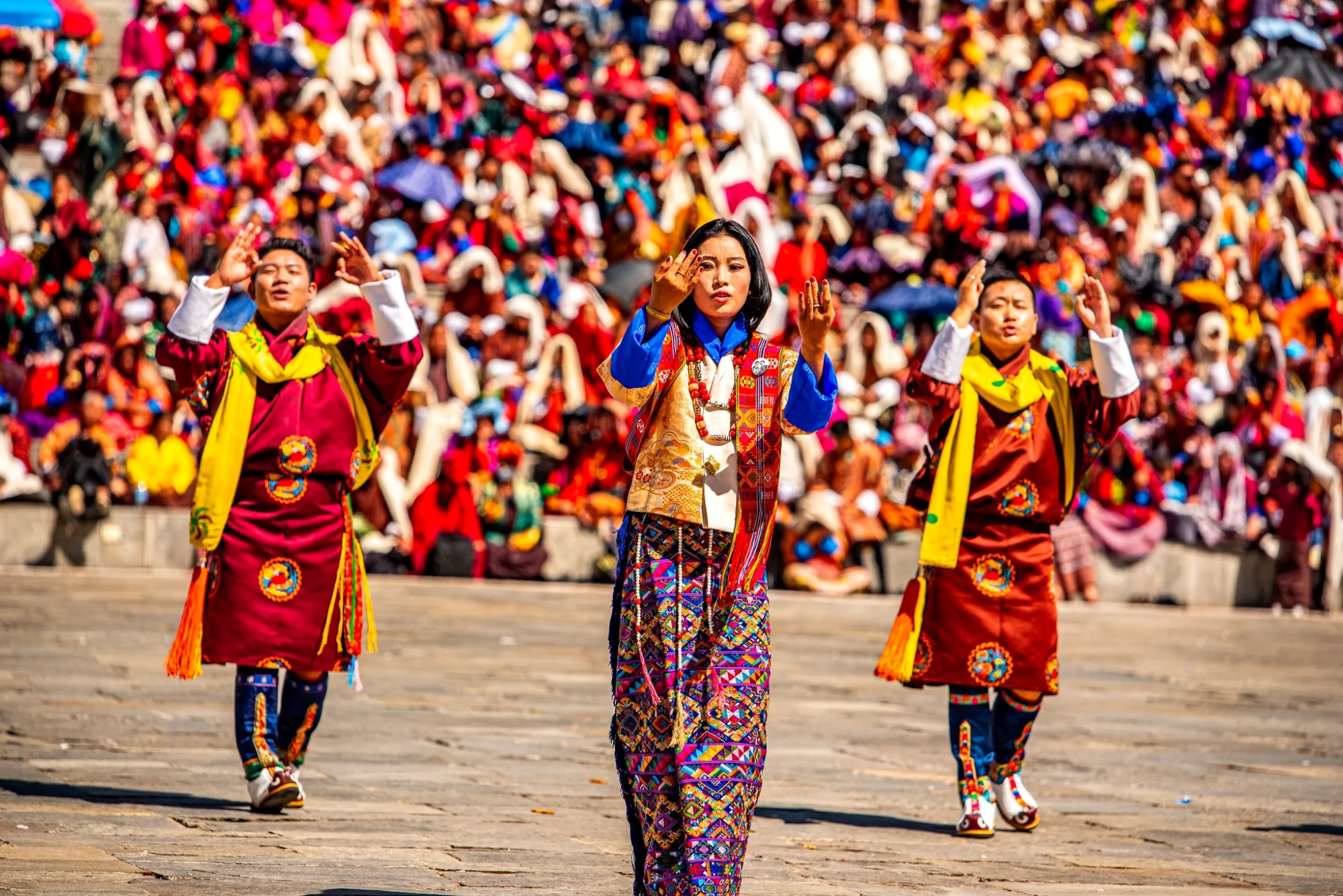
Bhutan has chosen carefully what to take from the modern world. Men and women wear the national dress, the gho and the kira, to work, school and official places. New buildings follow traditional architecture, and the country measures its progress by Gross National Happiness as well as income.
The thirteen traditional arts, the zorig chusum, are still taught to young people: painting, sculpture, wood carving, weaving and more. Weaving in particular is a living art, with patterns and techniques that differ from valley to valley.
What to expect
You can visit the Institute for Zorig Chusum in Thimphu, where students learn the traditional arts, and the textile collections in the capital. Your guide can help you try on a gho or kira, and arrange visits to weavers in the east.
Where in Bhutan
When to go
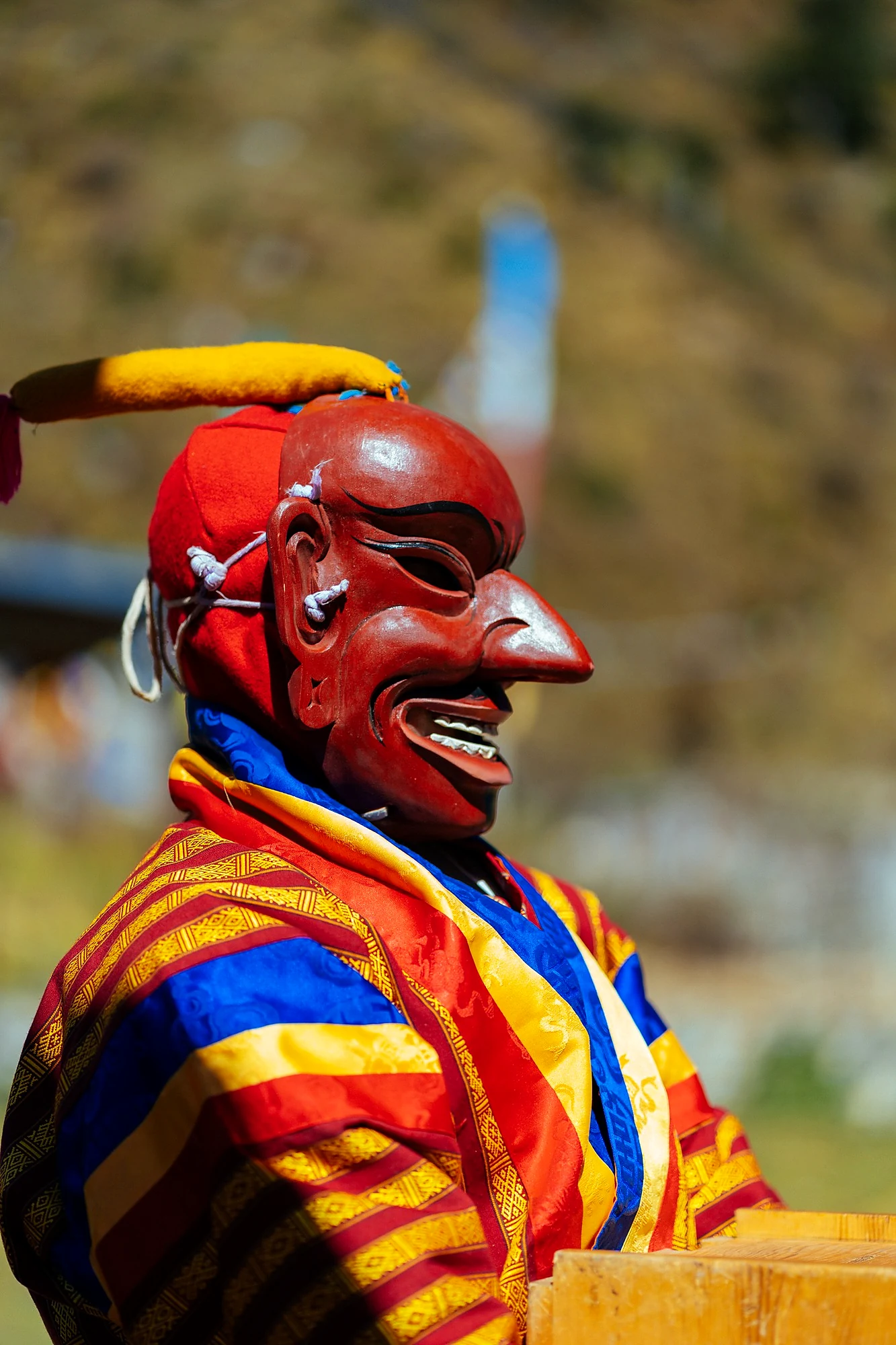
Year round. Festival days show culture at its most colourful.
Good to know
- Dress modestly when visiting dzongs and government offices
- Ask before photographing people
Journeys that include it
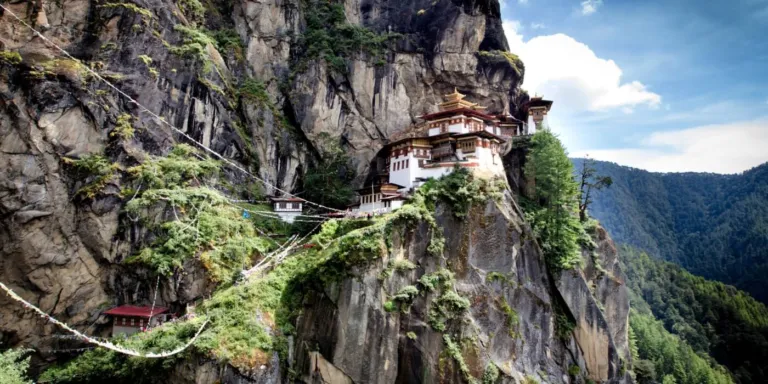
7-Day Bhutan Cultural Tour
Paro, Thimphu and Punakha in one week: the capital's dzongs, the Dochula pass, Punakha Dzong at the meeting of two rivers, and the hike to Tiger's Nest.
USD 1,800
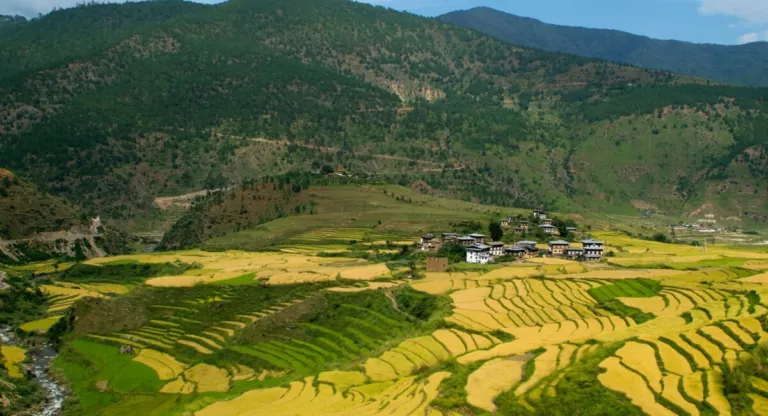
5-Day Bhutan Short Tour
The essentials of western Bhutan in five days: Thimphu, Punakha Dzong and Chimi Lhakhang, and the hike to Tiger's Nest in Paro.
USD 1,200
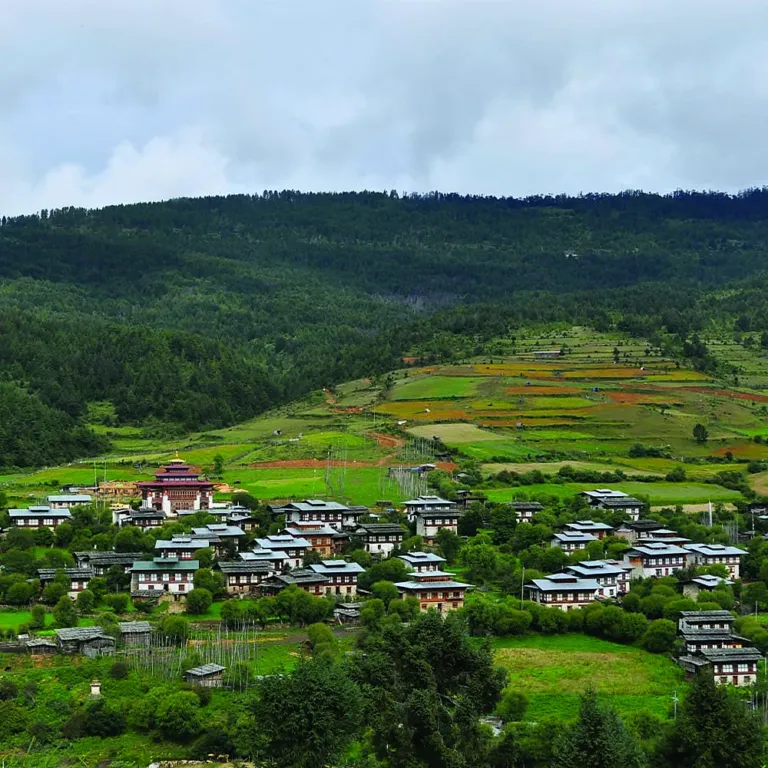
10-Day Central Bhutan Tour: Punakha, Phobjikha and Bumthang
Beyond the western valleys to Phobjikha's glacial valley and the temples of Bumthang, Bhutan's spiritual heartland, with Tiger's Nest to finish.
USD 2,700
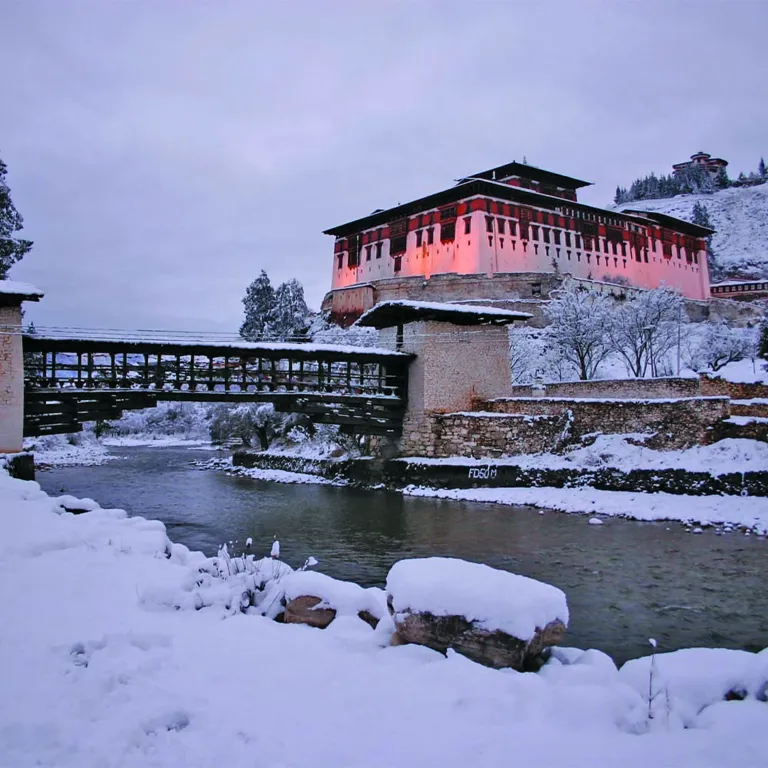
13-Day Bhutan West to East Tour: Paro to Samdrup Jongkhar
The whole country in one journey: from Paro and Tiger's Nest through Punakha, Phobjikha and Bumthang to the dzongs, temples and weaving villages of eastern Bhutan, leaving by road into India.
USD 3,600