7-Day Bhutan Cultural Tour
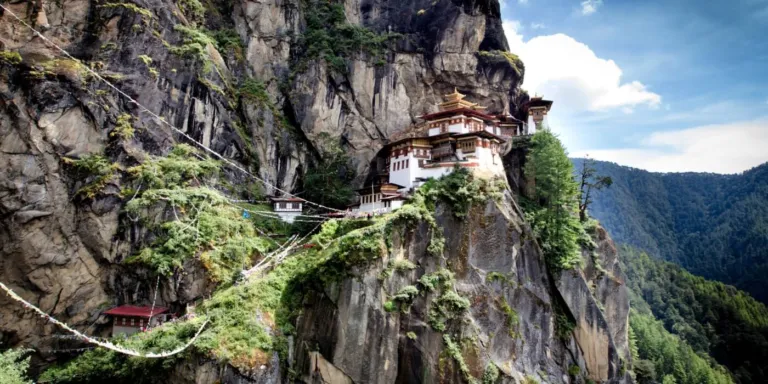
Paro, Thimphu and Punakha in one week: the capital's dzongs, the Dochula pass, Punakha Dzong at the meeting of two rivers, and the hike to Tiger's Nest.
USD 1,800
A warm, low valley of rice fields where Punakha Dzong stands at the meeting of the Pho Chhu and Mo Chhu rivers.
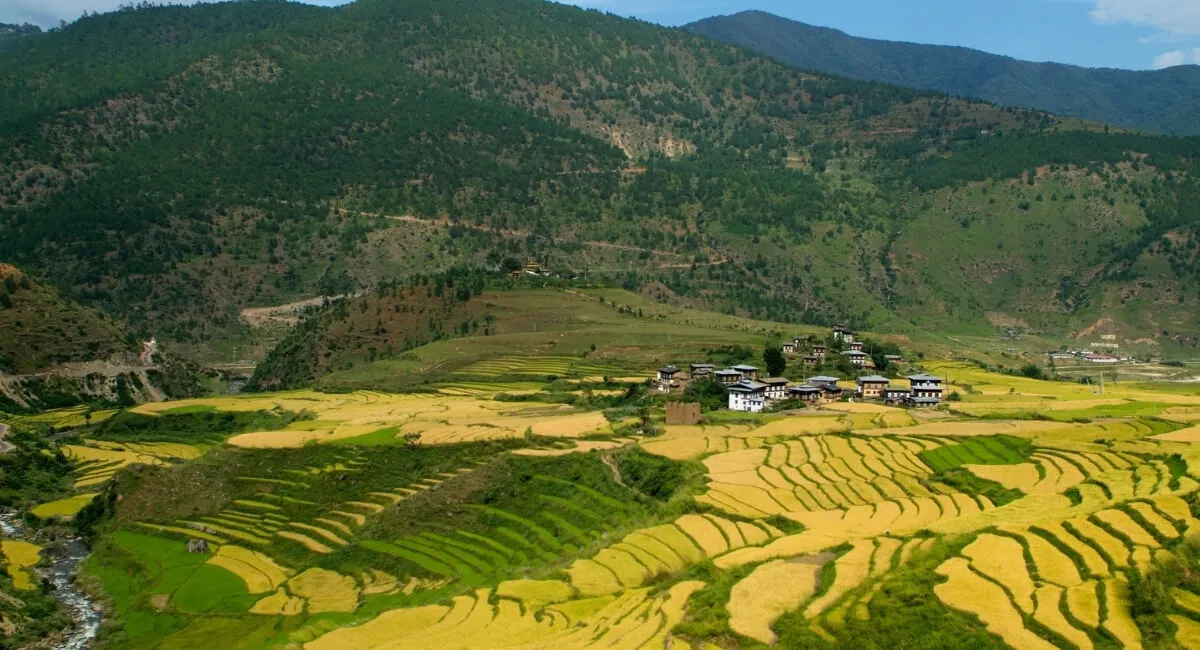
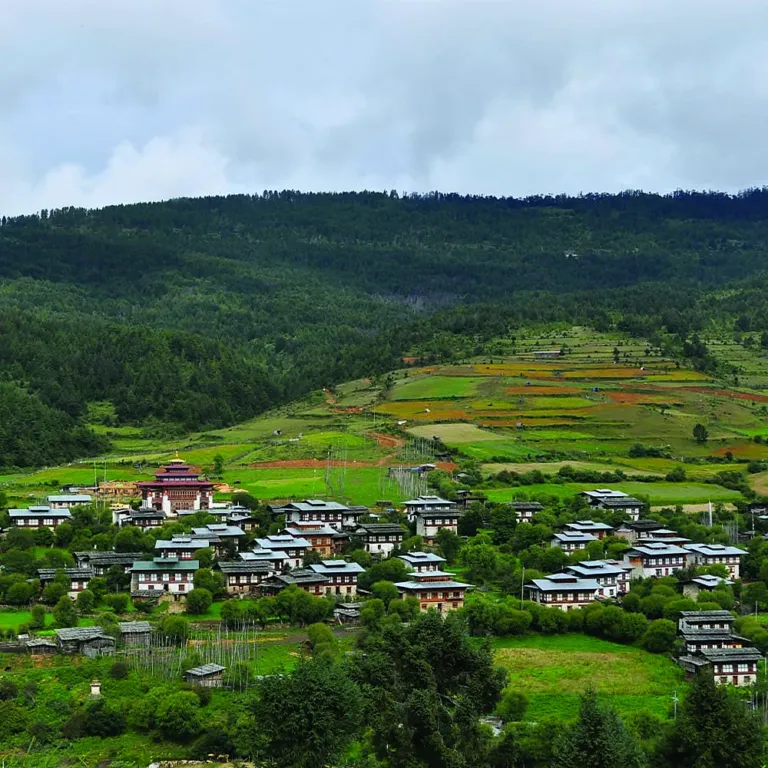
Punakha is lower and warmer than Thimphu and Paro, and it feels it: rice terraces line the valley, and oranges and bananas grow around the villages.
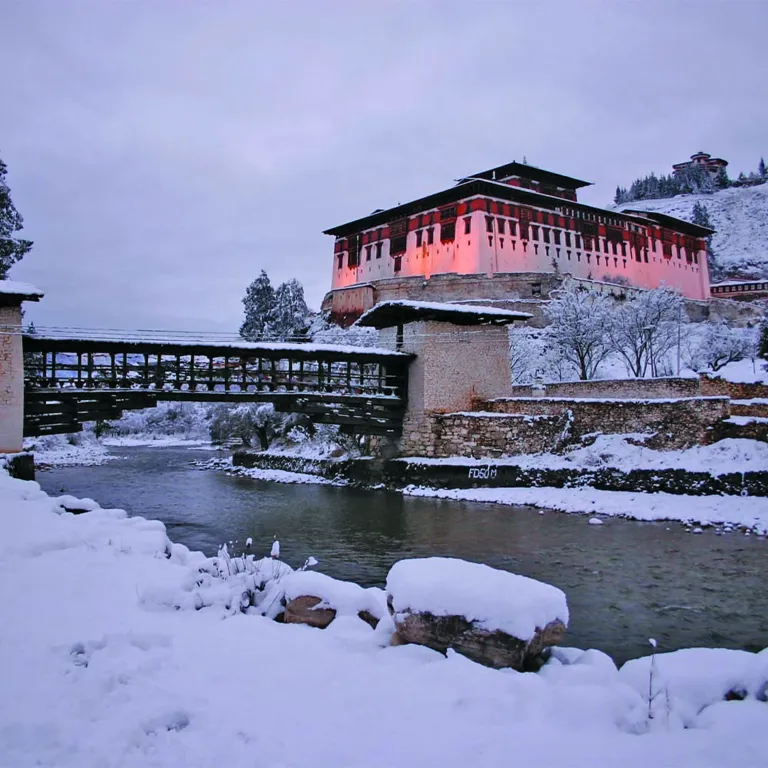
The valley was the capital of Bhutan for three centuries, and Punakha Dzong, at the confluence of two rivers, is one of the most beautiful buildings in the country. Most visitors arrive over the Dochula pass from Thimphu.
Paro, Thimphu and Punakha in one week: the capital's dzongs, the Dochula pass, Punakha Dzong at the meeting of two rivers, and the hike to Tiger's Nest.
USD 1,800
The essentials of western Bhutan in five days: Thimphu, Punakha Dzong and Chimi Lhakhang, and the hike to Tiger's Nest in Paro.
USD 1,200
Beyond the western valleys to Phobjikha's glacial valley and the temples of Bumthang, Bhutan's spiritual heartland, with Tiger's Nest to finish.
USD 2,700
The whole country in one journey: from Paro and Tiger's Nest through Punakha, Phobjikha and Bumthang to the dzongs, temples and weaving villages of eastern Bhutan, leaving by road into India.
USD 3,600
Punakha is pleasant for much of the year and a good choice in winter, when higher valleys are cold. The Punakha Drubchen and Tshechu festivals are held in early spring. The rice fields are green in summer and golden before the autumn harvest.
Punakha is about 3 hours by road from Thimphu, over the Dochula pass, and about 4 hours from Paro.
Bhutan's traditional farmhouse bath: river stones heated in a fire and lowered into a wooden tub of water and wild herbs.
Bhutan's national sport: long-distance matches with bamboo and modern bows, full of songs, dances and good-natured teasing.
A night with a Bhutanese family in a village farmhouse, sharing their meals, their fire and their daily routine.
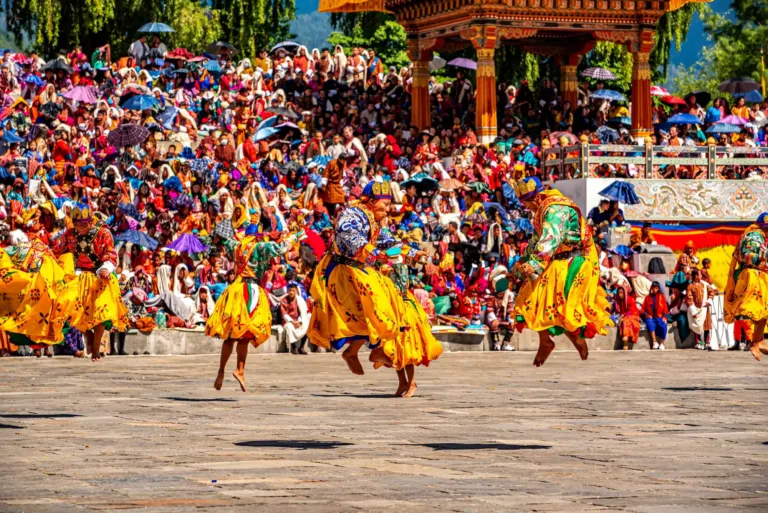
Monasteries, temples and fortress-monasteries shaped by more than twelve centuries of Buddhism, and still at the heart of daily life.
Gentle rafting on the rivers of the Punakha valley, with views of Punakha Dzong from the water.
Small, everyday moments that make a journey: a farmhouse visit, a village market, a cooking lesson or a walk with local people.
Tell us your dates and interests. We will suggest a route and how many days to spend in each valley.